Time Magazine interviewed His Holiness in New York City in May of 2010 for its "10 Questions to His Holiness the Dalai Lama".
Question: Do you ever feel angry or outraged? —Kantesh Guttal, PUNE, INDIA
His Holiness: Oh, yes, of course. I'm a human being. Generally speaking, if a human being never shows anger, then I think something's wrong. He's not right in the brain. [Laughs.]
Question: How do you stay so optimistic and faithful when there is so much hate in the world? —Joana Cotar, FRANKFURT
His Holiness: I always look at any event from a wider angle. There's always some problem, some killing, some murder or terrorist act or scandal everywhere, every day. But if you think the whole world is like that, you're wrong. Out of 6 billion humans, the troublemakers are just a handful.
Question: How has the role set out for you changed since you first came to be the Dalai Lama? —Andy Thomas, CARMARTHEN, WALES
His Holiness: I became the Dalai Lama not on a volunteer basis. Whether I was willing or not, I [had to study] Buddhist philosophy like an ordinary monk student in these big monastic institutions. Eventually I realized I have a responsibility. Sometimes it is difficult, but where there is some challenge, that is also truly an opportunity to serve more.
Question: Do you see any possibility of reconciliation with the Chinese government in your lifetime? —Joseph K.H. Cheng, MELBOURNE
His Holiness: Yes, there is a possibility. But I think past experience shows it is not easy. Many of these hard-liners, their outlook is very narrow and shortsighted. They are not looking at it in a holistic way. However, within the People's Republic of China, there is wider contact with the outside world. There are more and more voices of discontentment among the people, particularly among the intellectuals. Things will change — that's bound to happen.
Question: How can we teach our children not to be angry? —Robyn Rice, GRAND JUNCTION, COLO.
His Holiness: Children always look to their parents. Parents should be more calm. You can teach children that you face a lot of problems but you must react to those problems with a calm mind and reason. I have always had this view about the modern education system: we pay attention to brain development, but the development of warmheartedness we take for granted.
Question: Have you ever thought about being a normal person instead of being the Dalai Lama? —Grego Franco, MANILA
His Holiness: Yes, at a young age. Sometimes I felt, "Oh, this is a burden. I wish I was an unknown Tibetan. Then I'd have more freedom." But then later I realized that my position was something useful to others. Nowadays I feel happy that I'm Dalai Lama. At the same time, I never feel that I'm some special person. Same — we are all the same.
Question: Do you miss Tibet? —Pamela Delgado Córdoba, AGUASCALIENTES, MEXICO
His Holiness: Yes. Tibetan culture is not only ancient but relevant to today's world. After seeing the problems of violence, we realize that Tibetan culture is one of compassion and nonviolence. There is also the climate. In India during monsoon season, it is too wet. Then, I very much miss [ Tibet].
Question: What do you say to people who use religion as a pretext to violence or killing? —Arnie Domingo, QUEZON CITY, PHILIPPINES
His Holiness: There are innocent, faithful people that are manipulated by some other people whose interest is different. Their interest is not religion but power or sometimes money. They manipulate religious faith. In such cases, we must make a distinction: these [bad things] are not caused by religion.
Question: Have you ever tried on a pair of trousers? —Ju Huang, STAMFORD, CONN.
His Holiness: When it's very, very cold. And particularly in 1959, when I escaped, I wore trousers, like laypeople dressed. So I have experience.
Question: Do you believe your time here on earth has been a success? —Les Lucas, KELOWNA, B.C.
His Holiness: Hmmm. That's relative. It's so difficult to say. All human life is some part failure and some part achievement.
original link: https://www.dalailama.com/messages/transcripts-and-interviews/10-questions-time-magazine
Showing posts with label buddhist philosophy. Show all posts
Tuesday, July 30, 2019
10 Questions to His Holiness the Dalai Lama
Labels:
14 dalai lama,
buddhist philosophy,
calm mind,
china,
compassion,
Dalai Lama,
freedom,
nonviolence,
Tibet,
tibetan culture,
time magazine
Tuesday, November 28, 2017
The Dalai Lama's Doctor Gives Medical Advice
By Jen Christensen, CNN
originally published December 5, 2012
Atlanta (CNN) -- A young girl bravely stood to ask the Dalai Lama's doctor a question, and he gave her an unusual answer.
Dr. Tsewang Tamdin, a world-renowned expert in Tibetan medicine, visited Emory University in Atlanta on Monday as part of his effort to reach more American medical practitioners. He wants to develop collaborative projects between the Tibetan medicine system, which is more than 2,500 years old, and Western medicine.
The little girl told Tamdin she suffered from asthma. She wanted to know if there was anything in Tibetan medicine that could help her get better.
Tamdin, who spoke through a translator for the hour long lecture, immediately switched to English. In a gentle, almost too-soft tone, he explained what might help.
Inhalers doctors prescribe for asthmatics works well, he said, and told her to continue using one if she does already. The inhaler, though, treats the symptoms only. Tibetan medical practice, he explained, ultimately aims to get to the root cause of the problem.
"While others might consider the holistic practice of Tibetan medicine 'alternative medicine' or a kind of side practice, I would like for others outside of our system to consider the Tibetan healing system full-fledged healing," Tamdin said. "Tibetan medical knowledge has tremendous potential to add to modern medicine."
Dr. Tsewang Tamdin
Tibetan practice teaches that people get sick when a person's physical, psychological and spiritual well-being are out of balance.
To restore balance, Tamdin recommended diet and exercise changes for the girl. He encouraged her to get proper rest and to get exercise that encouraged deep breathing, such as skipping or cycling.
He also suggested eating three or four white raisins a day. There is a property in the fruit that helps breathing, he said. But perhaps the biggest sacrifice for a child was his advice to avoid cold foods -- particularly, he said, ice cream.
Another patient who came to him with asthma symptoms would get a completely different diagnosis, Tamdin said. Each patient's disease is treated differently from the next. That's in large part because traditional Tibetan medicine is grounded in Buddhist philosophy. In his training to become a physician, Tamdin also studied Buddhist tradition and astrology.
American and Tibetan doctors have some practices in common. If Tamdin were to have a longer consultation with the girl, he said he would perform familiar diagnostic tests. He would examine her urine sample and take her pulse, but he also would ask questions that would be the more familiar terrain of a psychologist. He tries to find out if a person is angry or anxious or if someone is becoming too self-centered.
The Dalai Lama
"Tibetans believe in our interconnectedness," said Geshe Lobsang Negi, a former monk who is now director of the Emory-Tibet partnership. "When we lose that perspective -- that we are a kind of little speck that is infinitely connected with the rest of the world -- when we see ourselves as the solid, fixed, all-important center of the universe, we call that ignorance, and that means we are vulnerable to illness."
This whole person approach to Tibetan medicine is being analyzed by a number of research studies in the United States. An NIH-funded study is examining the impact that compassion meditation can have on alleviating depression.
Compassion meditation is a Tibetan Buddhist mind training that asks a person to examine why they feel a certain way about someone and then to develop feelings of love and empathy for a number of people that will grow with more practice to include even people they normally dislike.
Studies have shown the medical effectiveness of meditation overall. A 2003 study of mindfulness-based meditation showed enhanced antibody production after someone receives a flu vaccine. Another study from that same year found cancer patients who were trained in mindfulness-based stress reduction showed a boost in their immune system.
And a study this year from Carnegie Mellon University showed mindfulness-based meditation has a far-reaching influence on both psychological and physical health. Mindfulness means being present and in the moment, and observing in a nonjudgmental way.
Negi's 2008 study of compassion meditation showed a reduction in stress-induced immune and behavioral responses. Several other studies under way are looking at the impact of Tibetan treatments on certain viral illnesses and on hepatitis.
Tamdin believes ignorance is at the root cause of all illness.
"If you think about this, it makes sense," Negi said. "For instance, if you believe you are the center of the universe and someone has something you want, you may become jealous and believe you deserve what that person has."
"You may become so jealous," he added, "you don't sleep at night and you will be stressed. Medical tests have shown there is a biochemical change in your body created by a release of a stress hormone. In Tibetan medicine, it is important to recognize the role the mind can play on our own physical well-being."
Tamdin said that modern medicine treats symptoms, but said a patient will never get better if they fail to attend to psychological issues.
"If one does not gain this understanding of selflessness, they won't be able to overcome their ignorance," he said. "One way to look at it is to watch the bird and its shadow. It may fly and fly high into the sky, but it continues to leave a shadow on the surface of Earth. As long as you have ignorance within you -- even though you are enjoying good health -- there is always a shadow of sickness falling upon you. From this ignorance arises three mental poisons: attachment, hatred and delusion." All those will affect energy, he said.
In addition to actual medicine and dietary changes, a Tibetan doctor may also prescribe the patient practice more kindness and compassion toward others -- or that they practice more compassion meditation.
Western medicine is reluctant to accept the Tibetan medical idea that some unexplained illnesses may ultimately be caused by someone's karma or even by evil spirits. The language Tibetan doctors use to suggest that good health is based on the balance of bile, phlegm and wind may seem a little too foreign to modern medicine practitioners.
But the holistic approach to a patient's health -- treatments that involve diet, behavior, prescription of medicine and contemplative practices -- may continue to appeal to physicians after they see demonstrated proof that these kind of therapies work.
"The Tibetan tradition has evolved over 2,500 years," Negi said. "It has a rich tradition that has helped the health of people for many many years.
"His Holiness the Dalai Lama was the first to say that these things we believe in should be subjected to scientific tools so we could better understand the human condition overall and help us to better deal with the situation of our own well-being."
originally published December 5, 2012
Atlanta (CNN) -- A young girl bravely stood to ask the Dalai Lama's doctor a question, and he gave her an unusual answer.
Dr. Tsewang Tamdin, a world-renowned expert in Tibetan medicine, visited Emory University in Atlanta on Monday as part of his effort to reach more American medical practitioners. He wants to develop collaborative projects between the Tibetan medicine system, which is more than 2,500 years old, and Western medicine.
The little girl told Tamdin she suffered from asthma. She wanted to know if there was anything in Tibetan medicine that could help her get better.
Tamdin, who spoke through a translator for the hour long lecture, immediately switched to English. In a gentle, almost too-soft tone, he explained what might help.
Inhalers doctors prescribe for asthmatics works well, he said, and told her to continue using one if she does already. The inhaler, though, treats the symptoms only. Tibetan medical practice, he explained, ultimately aims to get to the root cause of the problem.
"While others might consider the holistic practice of Tibetan medicine 'alternative medicine' or a kind of side practice, I would like for others outside of our system to consider the Tibetan healing system full-fledged healing," Tamdin said. "Tibetan medical knowledge has tremendous potential to add to modern medicine."
Dr. Tsewang Tamdin
Tibetan practice teaches that people get sick when a person's physical, psychological and spiritual well-being are out of balance.
To restore balance, Tamdin recommended diet and exercise changes for the girl. He encouraged her to get proper rest and to get exercise that encouraged deep breathing, such as skipping or cycling.
He also suggested eating three or four white raisins a day. There is a property in the fruit that helps breathing, he said. But perhaps the biggest sacrifice for a child was his advice to avoid cold foods -- particularly, he said, ice cream.
Another patient who came to him with asthma symptoms would get a completely different diagnosis, Tamdin said. Each patient's disease is treated differently from the next. That's in large part because traditional Tibetan medicine is grounded in Buddhist philosophy. In his training to become a physician, Tamdin also studied Buddhist tradition and astrology.
American and Tibetan doctors have some practices in common. If Tamdin were to have a longer consultation with the girl, he said he would perform familiar diagnostic tests. He would examine her urine sample and take her pulse, but he also would ask questions that would be the more familiar terrain of a psychologist. He tries to find out if a person is angry or anxious or if someone is becoming too self-centered.
The Dalai Lama
"Tibetans believe in our interconnectedness," said Geshe Lobsang Negi, a former monk who is now director of the Emory-Tibet partnership. "When we lose that perspective -- that we are a kind of little speck that is infinitely connected with the rest of the world -- when we see ourselves as the solid, fixed, all-important center of the universe, we call that ignorance, and that means we are vulnerable to illness."
This whole person approach to Tibetan medicine is being analyzed by a number of research studies in the United States. An NIH-funded study is examining the impact that compassion meditation can have on alleviating depression.
Compassion meditation is a Tibetan Buddhist mind training that asks a person to examine why they feel a certain way about someone and then to develop feelings of love and empathy for a number of people that will grow with more practice to include even people they normally dislike.
Studies have shown the medical effectiveness of meditation overall. A 2003 study of mindfulness-based meditation showed enhanced antibody production after someone receives a flu vaccine. Another study from that same year found cancer patients who were trained in mindfulness-based stress reduction showed a boost in their immune system.
And a study this year from Carnegie Mellon University showed mindfulness-based meditation has a far-reaching influence on both psychological and physical health. Mindfulness means being present and in the moment, and observing in a nonjudgmental way.
Negi's 2008 study of compassion meditation showed a reduction in stress-induced immune and behavioral responses. Several other studies under way are looking at the impact of Tibetan treatments on certain viral illnesses and on hepatitis.
Tamdin believes ignorance is at the root cause of all illness.
"If you think about this, it makes sense," Negi said. "For instance, if you believe you are the center of the universe and someone has something you want, you may become jealous and believe you deserve what that person has."
"You may become so jealous," he added, "you don't sleep at night and you will be stressed. Medical tests have shown there is a biochemical change in your body created by a release of a stress hormone. In Tibetan medicine, it is important to recognize the role the mind can play on our own physical well-being."
Tamdin said that modern medicine treats symptoms, but said a patient will never get better if they fail to attend to psychological issues.
"If one does not gain this understanding of selflessness, they won't be able to overcome their ignorance," he said. "One way to look at it is to watch the bird and its shadow. It may fly and fly high into the sky, but it continues to leave a shadow on the surface of Earth. As long as you have ignorance within you -- even though you are enjoying good health -- there is always a shadow of sickness falling upon you. From this ignorance arises three mental poisons: attachment, hatred and delusion." All those will affect energy, he said.
In addition to actual medicine and dietary changes, a Tibetan doctor may also prescribe the patient practice more kindness and compassion toward others -- or that they practice more compassion meditation.
Western medicine is reluctant to accept the Tibetan medical idea that some unexplained illnesses may ultimately be caused by someone's karma or even by evil spirits. The language Tibetan doctors use to suggest that good health is based on the balance of bile, phlegm and wind may seem a little too foreign to modern medicine practitioners.
But the holistic approach to a patient's health -- treatments that involve diet, behavior, prescription of medicine and contemplative practices -- may continue to appeal to physicians after they see demonstrated proof that these kind of therapies work.
"The Tibetan tradition has evolved over 2,500 years," Negi said. "It has a rich tradition that has helped the health of people for many many years.
"His Holiness the Dalai Lama was the first to say that these things we believe in should be subjected to scientific tools so we could better understand the human condition overall and help us to better deal with the situation of our own well-being."
Labels:
buddhist philosophy,
compassion,
Dalai Lama,
dr. tsewang tamdin,
emory university,
geshe lobsang negi,
jen christensen cnn,
spiritual well-being,
tibetan medicine
Monday, March 6, 2017
The Dalai Lama on Laughter
Why I Laugh
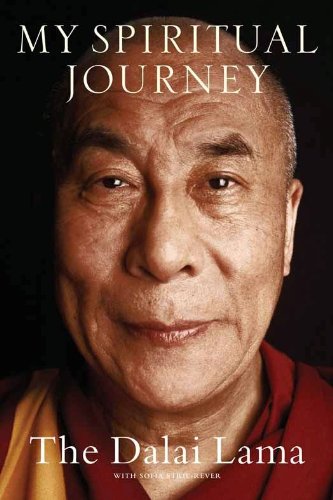
In an excerpt from his new book, My Spiritual Journey, The Dalai Lama shares his belief in the surprising power of laughter and smiles to reach other people, even our enemies.
I Am a Professional Laugher
I have been confronted with many difficulties throughout the course of my life, and my country is going through a critical period. But I laugh often, and my laughter is contagious. When people ask me how I find the strength to laugh now, I reply that I am a professional laugher. Laughing is a characteristic of the Tibetans, who are different in this from the Japanese or the Indians. They are very cheerful, like the Italians, rather than a little reserved, like the Germans or the English.
My cheerfulness also comes from my family. I come from a small village, not a big city, and our way of life is more jovial. We are always amusing ourselves, teasing each other, joking. It’s our habit.
To that is added, as I often say, the responsibility of being realistic. Of course problems are there. But thinking only of the negative aspect doesn’t help to find solutions and it destroys peace of mind. Everything, though, is relative. You can see the positive side of even the worst tragedies if you adopt a holistic perspective. If you take the negative as absolute and definitive, however, you increase your worries and anxiety, whereas by broadening the way you look at a problem you understand what is bad about it, but you accept it. This attitude comes to me, from my practice and from Buddhist philosophy, which help me enormously.
I often say jokingly that a truly selfish person must be altruistic!
Take the loss of our country, for example. We are a stateless people, and we must confront adversity along with many painful circumstances in Tibet itself. Nevertheless, such experiences also bring many benefits.
As for me, I’ve been homeless for half a century. But I have found a large number of new homes throughout the vast world. If I had remained at the Potala, I don’t think I would have had the chance to meet so many personalities, so many heads of state in Asia, Taiwan, the United States, and Europe, popes as well as many famous scientists and economists.
The life of exile is an unfortunate life, but I have always tried to cultivate a happy state of mind, appreciating the opportunities this existence without a settled home, far from all protocol, has offered me. This way I have been able to preserve my inner peace.
I Love the Smile, Unique to Humans
If we are content just to think that compassion, rationality, and patience are good, that is not actually enough to develop these qualities. Difficulties provide the occasion to put them into practice. Who can make such occasions arise? Certainly not our friends, but rather our enemies, for they are the ones who pose the most problems. So that we truly want to progress on the path, we must regard our enemies as our best teachers.
For whoever holds love and compassion in high esteem, the practice of tolerance is essential, and it requires an enemy. We must be grateful to our enemies, then, because they help us best engender a serene mind! Anger and hatred are the real enemies that we must confront and defeat, not the “enemies” who appear from time to time in our lives.
Of course it is natural and right that we all want to have friends. I often say jokingly that a truly selfish person must be altruistic! You have to take care of others, of their well-being, by helping them and serving them, to have even more friends and make more smiles blossom. The result? When you yourself need help, you will find all you need! On the other hand, if you neglect others’ happiness, you will be the loser in the long run. Is friendship born of arguments, anger, jealousy, and unbridled competition? I don’t think so. Only affection produces authentic friends.
In contemporary materialistic society, if you have money and power you have the impression of having a lot of friends. But they aren’t your friends; they are the friends of your money and power. If you lose your wealth and influence you will have trouble finding those people again.
Unfortunately, so long as things are going well, we think we can get along by ourselves. However, as our situation and health decline, we soon realize how wrong we were. That is when we understand who really helps us. To prepare ourselves for such a time, by making true friends who are useful when we need them most, we must cultivate altruism.
As for me, I always want more friends. I love smiles, and my wish is to see more smiles, real smiles, for there are many kinds—sarcastic, artificial, or diplomatic. Some smiles don’t arouse any satisfaction, and some even engender suspicion or fear. An authentic smile, though, arouses an authentic feeling of freshness, and I think the smile belongs only to human beings. If we want those smiles, we must create the reasons that make them appear.
Original article link:
http://www.thedailybeast.com/articles/2010/10/24/dalai-lama-on-laughter-and-compassion.html
In an excerpt from his new book, My Spiritual Journey, The Dalai Lama shares his belief in the surprising power of laughter and smiles to reach other people, even our enemies.
I Am a Professional Laugher
I have been confronted with many difficulties throughout the course of my life, and my country is going through a critical period. But I laugh often, and my laughter is contagious. When people ask me how I find the strength to laugh now, I reply that I am a professional laugher. Laughing is a characteristic of the Tibetans, who are different in this from the Japanese or the Indians. They are very cheerful, like the Italians, rather than a little reserved, like the Germans or the English.
My cheerfulness also comes from my family. I come from a small village, not a big city, and our way of life is more jovial. We are always amusing ourselves, teasing each other, joking. It’s our habit.
To that is added, as I often say, the responsibility of being realistic. Of course problems are there. But thinking only of the negative aspect doesn’t help to find solutions and it destroys peace of mind. Everything, though, is relative. You can see the positive side of even the worst tragedies if you adopt a holistic perspective. If you take the negative as absolute and definitive, however, you increase your worries and anxiety, whereas by broadening the way you look at a problem you understand what is bad about it, but you accept it. This attitude comes to me, from my practice and from Buddhist philosophy, which help me enormously.
I often say jokingly that a truly selfish person must be altruistic!
Take the loss of our country, for example. We are a stateless people, and we must confront adversity along with many painful circumstances in Tibet itself. Nevertheless, such experiences also bring many benefits.
As for me, I’ve been homeless for half a century. But I have found a large number of new homes throughout the vast world. If I had remained at the Potala, I don’t think I would have had the chance to meet so many personalities, so many heads of state in Asia, Taiwan, the United States, and Europe, popes as well as many famous scientists and economists.
The life of exile is an unfortunate life, but I have always tried to cultivate a happy state of mind, appreciating the opportunities this existence without a settled home, far from all protocol, has offered me. This way I have been able to preserve my inner peace.
I Love the Smile, Unique to Humans
If we are content just to think that compassion, rationality, and patience are good, that is not actually enough to develop these qualities. Difficulties provide the occasion to put them into practice. Who can make such occasions arise? Certainly not our friends, but rather our enemies, for they are the ones who pose the most problems. So that we truly want to progress on the path, we must regard our enemies as our best teachers.
For whoever holds love and compassion in high esteem, the practice of tolerance is essential, and it requires an enemy. We must be grateful to our enemies, then, because they help us best engender a serene mind! Anger and hatred are the real enemies that we must confront and defeat, not the “enemies” who appear from time to time in our lives.
Of course it is natural and right that we all want to have friends. I often say jokingly that a truly selfish person must be altruistic! You have to take care of others, of their well-being, by helping them and serving them, to have even more friends and make more smiles blossom. The result? When you yourself need help, you will find all you need! On the other hand, if you neglect others’ happiness, you will be the loser in the long run. Is friendship born of arguments, anger, jealousy, and unbridled competition? I don’t think so. Only affection produces authentic friends.
In contemporary materialistic society, if you have money and power you have the impression of having a lot of friends. But they aren’t your friends; they are the friends of your money and power. If you lose your wealth and influence you will have trouble finding those people again.
Unfortunately, so long as things are going well, we think we can get along by ourselves. However, as our situation and health decline, we soon realize how wrong we were. That is when we understand who really helps us. To prepare ourselves for such a time, by making true friends who are useful when we need them most, we must cultivate altruism.
As for me, I always want more friends. I love smiles, and my wish is to see more smiles, real smiles, for there are many kinds—sarcastic, artificial, or diplomatic. Some smiles don’t arouse any satisfaction, and some even engender suspicion or fear. An authentic smile, though, arouses an authentic feeling of freshness, and I think the smile belongs only to human beings. If we want those smiles, we must create the reasons that make them appear.
Original article link:
http://www.thedailybeast.com/articles/2010/10/24/dalai-lama-on-laughter-and-compassion.html
Labels:
affection,
altruistic,
buddhist philosophy,
compassion,
Dalai Lama,
friends,
laughter,
my spiritual journey,
potala,
power of laughter,
smiles,
Tibet
Monday, November 28, 2016
Dalai Lama Attends International Conference on Buddhism and Science
Ulaanbaatar, Mongolia, 21 November 2016 – The sun was shining this morning as the motorcade carrying His Holiness the Dalai Lama wove its way through the downtown traffic on its way to the hotel that was to be the venue for today’s activities.
His Holiness first met with about 150 members of the Jetsun Dhampa Centre. Reading a report of their activities the Director informed His Holiness of the various community services they provide, such as offering spiritual support to prisoners and terminally ill patients and their families in one of the local cancer hospitals.
His Holiness commended their work and remarked approvingly that in Australia, one of the FPMT Centres similarly runs a hospice.
“In our old society,” he said, “monks did not provide people with such practical service. If they can do so, it is immensely beneficial. Once when I was visiting Arunachal Pradesh, some local people praised the Christians for their practical help. They complained that the Buddhist monasteries gave no such help, but readily accepted donations.”
His Holiness recalled his first visit to Thailand and a meeting he had with the Sangharaja. He raised the question of Buddhist monks engaging in community service as their Christian brothers and sisters did. The Sangharaja responded that a Buddhist monk’s role was to dwell in isolation in order to focus on his practice. His Holiness reported that although he accepted the validity of this, he also felt that extending help to others would also be mutually beneficial.
Advising the centre to take a more academic than religious approach to their study of philosophy and logic, His Holiness related what he has told Buddhists in Ladakh:
“Many people tend to think of monasteries only as places of worship. But if you introduce extensive study of Buddhist science and philosophy, and don’t limit yourselves to performing rituals, people will come to view these institutions as centres of learning where people of any faith or none can acquire knowledge that will be helpful in their day to day life.
“In the past some Westerners referred to Tibetan Buddhism dismissively as Lamaism because of the prominent role accorded to Lamas in the conduct of rituals and prayers. However, I constantly remind people that Tibetan Buddhism derives directly from the traditions of Nalanda University. These days, more and more people are coming to realize that Tibetan Buddhism is a complete form of Buddhism. Many Chinese Buddhists are coming to appreciate the emphasis the Tibetan tradition places on study and that Tibetan Buddhist scholars are accomplished teachers with more to impart than just prayers and rituals. Therefore, increasing numbers of Chinese Buddhists are showing interest in studying Tibetan Buddhism. Even Western scientists have noted that the logical character of Tibetan Buddhism is comparable to science.”
Addressing a conference on Buddhism and Science organized by the Tritiya Dharma Chakra Foundation and the Jetsun Dhampa Centre, His Holiness remarked that having attended such meetings in the West, in India and Japan, he was now happy and honoured to participate in such a conference in Mongolia.
“I sometimes describe myself as half-Buddhist and half-scientist,” he disclosed. “For more than 30 years I have held discussions with scientists focussed mainly on neurobiology, cosmology, physics-especially quantum physics-and psychology. Buddhist literature also has a contribution to make to understanding of these four fields, so our discussions have been immensely beneficial. Buddhist scholars and practitioners have benefited from learning about physics while modern scientists have shown a keen interest in learning more about what Buddhism has to say about the workings of the mind and emotions.”
Referring to historical relations between the two peoples, His Holiness remarked that even before they developed an interest in Buddhism, Tibetans and Mongolians were like brothers and sisters. In due course both came to uphold the pure Nalanda tradition.
After Kabju D. Nyamsambuu of Gandan Tegchenling Monastery had spoken about ethics and living a moral life, His Holiness responded that his interest in science is twofold. On the one hand science leads to a clearer understanding of reality, on the other scientific findings can help promote human values.
Helen Y. Weng, a neuroscientist and a clinical psychologist at the Osher Center for Integrative Medicine at the University of California, San Francisco spoke about Contemplative Neuroscience and Socially Engaged Buddhism. She presented her findings that training in meditation on compassion not only increases altruistic behaviour but also the neural response to suffering. She also explained how much more accurate measurements of brain activity and different types of mental activity can be achieved using pattern recognition technology. His Holiness commented that although single-pointed meditation may temporarily reduce anger, analytical meditation is also important for helping us understand why we are angry and how compassion can be of benefit in overcoming anger in the long run.
His Holiness was invited by the Indian Ambassador to lunch at the Indian Embassy.
Returning to the conference in the afternoon he explained ways in which Buddhism can relate to modern science.
“I usually divide Buddhism into three parts: science, philosophy—which deals for example with conventional and ultimate truth—and religion which is only of interest to spiritual practitioners. It’s on the basis of Buddhist science and philosophy that we have been able to hold conversations with modern scientists over the last 30 years and more.”
In the first presentation of the afternoon, B. Boldsaikhan from the System Science Research Institute of the Mongolian University of Science and Technology spoke about medicine and logic under the heading Buddhism & Bridging Science. Next, K. Namsrai, a senior scholar in physics gave a talk about relations between Quantum Physics and Buddhist philosophy. He mentioned a profound connection between abstract physical theory and nature. He concluded with a request for His Holiness’s prayers for the welfare of ordinary nomads and herders.
Dr. Fadel Zeidan, Assistant Professor of Neurobiology and Anatomy and Associate Director of Neuroscience at the Center for Integrative Medicine at Wake Forest School of Medicine and a Mind & Life Fellow, spoke about the Neuroscience of Mindfulness, Meditation and Pain. He stressed the importance of developing non-drug remedies to alleviate pain and suffering, mentioning how mindfulness training can contribute to relief of anxiety, depression, elevated blood pressure and other health issues.
Finally, N. Ariun, a biologist, spoke about the Latest Developments in Biological Sciences and Buddhism.
In his concluding remarks, His Holiness mentioned encouraging findings that basic human nature is compassionate and that this quality can be strengthened through education. He spoke of the need to promote a sense of the oneness of humanity based on human beings’ shared compassionate nature. He stressed that promoting this will require vision and determination, but that conferences such as today’s could make a valuable contribution to that goal.
Original link with photos http://www.dalailama.com/news/post/1494-international-conference-on-buddhism-and-science
His Holiness first met with about 150 members of the Jetsun Dhampa Centre. Reading a report of their activities the Director informed His Holiness of the various community services they provide, such as offering spiritual support to prisoners and terminally ill patients and their families in one of the local cancer hospitals.
His Holiness commended their work and remarked approvingly that in Australia, one of the FPMT Centres similarly runs a hospice.
“In our old society,” he said, “monks did not provide people with such practical service. If they can do so, it is immensely beneficial. Once when I was visiting Arunachal Pradesh, some local people praised the Christians for their practical help. They complained that the Buddhist monasteries gave no such help, but readily accepted donations.”
His Holiness recalled his first visit to Thailand and a meeting he had with the Sangharaja. He raised the question of Buddhist monks engaging in community service as their Christian brothers and sisters did. The Sangharaja responded that a Buddhist monk’s role was to dwell in isolation in order to focus on his practice. His Holiness reported that although he accepted the validity of this, he also felt that extending help to others would also be mutually beneficial.
Advising the centre to take a more academic than religious approach to their study of philosophy and logic, His Holiness related what he has told Buddhists in Ladakh:
“Many people tend to think of monasteries only as places of worship. But if you introduce extensive study of Buddhist science and philosophy, and don’t limit yourselves to performing rituals, people will come to view these institutions as centres of learning where people of any faith or none can acquire knowledge that will be helpful in their day to day life.
“In the past some Westerners referred to Tibetan Buddhism dismissively as Lamaism because of the prominent role accorded to Lamas in the conduct of rituals and prayers. However, I constantly remind people that Tibetan Buddhism derives directly from the traditions of Nalanda University. These days, more and more people are coming to realize that Tibetan Buddhism is a complete form of Buddhism. Many Chinese Buddhists are coming to appreciate the emphasis the Tibetan tradition places on study and that Tibetan Buddhist scholars are accomplished teachers with more to impart than just prayers and rituals. Therefore, increasing numbers of Chinese Buddhists are showing interest in studying Tibetan Buddhism. Even Western scientists have noted that the logical character of Tibetan Buddhism is comparable to science.”
Addressing a conference on Buddhism and Science organized by the Tritiya Dharma Chakra Foundation and the Jetsun Dhampa Centre, His Holiness remarked that having attended such meetings in the West, in India and Japan, he was now happy and honoured to participate in such a conference in Mongolia.
“I sometimes describe myself as half-Buddhist and half-scientist,” he disclosed. “For more than 30 years I have held discussions with scientists focussed mainly on neurobiology, cosmology, physics-especially quantum physics-and psychology. Buddhist literature also has a contribution to make to understanding of these four fields, so our discussions have been immensely beneficial. Buddhist scholars and practitioners have benefited from learning about physics while modern scientists have shown a keen interest in learning more about what Buddhism has to say about the workings of the mind and emotions.”
Referring to historical relations between the two peoples, His Holiness remarked that even before they developed an interest in Buddhism, Tibetans and Mongolians were like brothers and sisters. In due course both came to uphold the pure Nalanda tradition.
After Kabju D. Nyamsambuu of Gandan Tegchenling Monastery had spoken about ethics and living a moral life, His Holiness responded that his interest in science is twofold. On the one hand science leads to a clearer understanding of reality, on the other scientific findings can help promote human values.
Helen Y. Weng, a neuroscientist and a clinical psychologist at the Osher Center for Integrative Medicine at the University of California, San Francisco spoke about Contemplative Neuroscience and Socially Engaged Buddhism. She presented her findings that training in meditation on compassion not only increases altruistic behaviour but also the neural response to suffering. She also explained how much more accurate measurements of brain activity and different types of mental activity can be achieved using pattern recognition technology. His Holiness commented that although single-pointed meditation may temporarily reduce anger, analytical meditation is also important for helping us understand why we are angry and how compassion can be of benefit in overcoming anger in the long run.
His Holiness was invited by the Indian Ambassador to lunch at the Indian Embassy.
Returning to the conference in the afternoon he explained ways in which Buddhism can relate to modern science.
“I usually divide Buddhism into three parts: science, philosophy—which deals for example with conventional and ultimate truth—and religion which is only of interest to spiritual practitioners. It’s on the basis of Buddhist science and philosophy that we have been able to hold conversations with modern scientists over the last 30 years and more.”
In the first presentation of the afternoon, B. Boldsaikhan from the System Science Research Institute of the Mongolian University of Science and Technology spoke about medicine and logic under the heading Buddhism & Bridging Science. Next, K. Namsrai, a senior scholar in physics gave a talk about relations between Quantum Physics and Buddhist philosophy. He mentioned a profound connection between abstract physical theory and nature. He concluded with a request for His Holiness’s prayers for the welfare of ordinary nomads and herders.
Dr. Fadel Zeidan, Assistant Professor of Neurobiology and Anatomy and Associate Director of Neuroscience at the Center for Integrative Medicine at Wake Forest School of Medicine and a Mind & Life Fellow, spoke about the Neuroscience of Mindfulness, Meditation and Pain. He stressed the importance of developing non-drug remedies to alleviate pain and suffering, mentioning how mindfulness training can contribute to relief of anxiety, depression, elevated blood pressure and other health issues.
Finally, N. Ariun, a biologist, spoke about the Latest Developments in Biological Sciences and Buddhism.
In his concluding remarks, His Holiness mentioned encouraging findings that basic human nature is compassionate and that this quality can be strengthened through education. He spoke of the need to promote a sense of the oneness of humanity based on human beings’ shared compassionate nature. He stressed that promoting this will require vision and determination, but that conferences such as today’s could make a valuable contribution to that goal.
Original link with photos http://www.dalailama.com/news/post/1494-international-conference-on-buddhism-and-science
Labels:
14th Dalai Lama,
altruistic behavior,
buddhism,
buddhist philosophy,
meditation,
mongolia,
nalanda tradition,
neurobiology,
science,
tibetans
Tuesday, February 2, 2016
Medical Advice from the Dalai Lama's Doctor
By Jen Christensen, CNN
originally published December 5, 2012
Atlanta (CNN) -- A young girl bravely stood to ask the Dalai Lama's doctor a question, and he gave her an unusual answer.
Dr. Tsewang Tamdin, a world-renowned expert in Tibetan medicine, visited Emory University in Atlanta on Monday as part of his effort to reach more American medical practitioners. He wants to develop collaborative projects between the Tibetan medicine system, which is more than 2,500 years old, and Western medicine.
The little girl told Tamdin she suffered from asthma. She wanted to know if there was anything in Tibetan medicine that could help her get better.
Tamdin, who spoke through a translator for the hour long lecture, immediately switched to English. In a gentle, almost too-soft tone, he explained what might help.
Inhalers doctors prescribe for asthmatics works well, he said, and told her to continue using one if she does already. The inhaler, though, treats the symptoms only. Tibetan medical practice, he explained, ultimately aims to get to the root cause of the problem.
"While others might consider the holistic practice of Tibetan medicine 'alternative medicine' or a kind of side practice, I would like for others outside of our system to consider the Tibetan healing system full-fledged healing," Tamdin said. "Tibetan medical knowledge has tremendous potential to add to modern medicine."
Dr. Tsewang Tamdin
Tibetan practice teaches that people get sick when a person's physical, psychological and spiritual well-being are out of balance.
To restore balance, Tamdin recommended diet and exercise changes for the girl. He encouraged her to get proper rest and to get exercise that encouraged deep breathing, such as skipping or cycling.
He also suggested eating three or four white raisins a day. There is a property in the fruit that helps breathing, he said. But perhaps the biggest sacrifice for a child was his advice to avoid cold foods -- particularly, he said, ice cream.
Another patient who came to him with asthma symptoms would get a completely different diagnosis, Tamdin said. Each patient's disease is treated differently from the next. That's in large part because traditional Tibetan medicine is grounded in Buddhist philosophy. In his training to become a physician, Tamdin also studied Buddhist tradition and astrology.
American and Tibetan doctors have some practices in common. If Tamdin were to have a longer consultation with the girl, he said he would perform familiar diagnostic tests. He would examine her urine sample and take her pulse, but he also would ask questions that would be the more familiar terrain of a psychologist. He tries to find out if a person is angry or anxious or if someone is becoming too self-centered.
The Dalai Lama
"Tibetans believe in our interconnectedness," said Geshe Lobsang Negi, a former monk who is now director of the Emory-Tibet partnership. "When we lose that perspective -- that we are a kind of little speck that is infinitely connected with the rest of the world -- when we see ourselves as the solid, fixed, all-important center of the universe, we call that ignorance, and that means we are vulnerable to illness."
This whole person approach to Tibetan medicine is being analyzed by a number of research studies in the United States. An NIH-funded study is examining the impact that compassion meditation can have on alleviating depression.
Compassion meditation is a Tibetan Buddhist mind training that asks a person to examine why they feel a certain way about someone and then to develop feelings of love and empathy for a number of people that will grow with more practice to include even people they normally dislike.
Studies have shown the medical effectiveness of meditation overall. A 2003 study of mindfulness-based meditation showed enhanced antibody production after someone receives a flu vaccine. Another study from that same year found cancer patients who were trained in mindfulness-based stress reduction showed a boost in their immune system.
And a study this year from Carnegie Mellon University showed mindfulness-based meditation has a far-reaching influence on both psychological and physical health. Mindfulness means being present and in the moment, and observing in a nonjudgmental way.
Negi's 2008 study of compassion meditation showed a reduction in stress-induced immune and behavioral responses. Several other studies under way are looking at the impact of Tibetan treatments on certain viral illnesses and on hepatitis.
Tamdin believes ignorance is at the root cause of all illness.
"If you think about this, it makes sense," Negi said. "For instance, if you believe you are the center of the universe and someone has something you want, you may become jealous and believe you deserve what that person has."
"You may become so jealous," he added, "you don't sleep at night and you will be stressed. Medical tests have shown there is a biochemical change in your body created by a release of a stress hormone. In Tibetan medicine, it is important to recognize the role the mind can play on our own physical well-being."
Tamdin said that modern medicine treats symptoms, but said a patient will never get better if they fail to attend to psychological issues.
"If one does not gain this understanding of selflessness, they won't be able to overcome their ignorance," he said. "One way to look at it is to watch the bird and its shadow. It may fly and fly high into the sky, but it continues to leave a shadow on the surface of Earth. As long as you have ignorance within you -- even though you are enjoying good health -- there is always a shadow of sickness falling upon you. From this ignorance arises three mental poisons: attachment, hatred and delusion." All those will affect energy, he said.
In addition to actual medicine and dietary changes, a Tibetan doctor may also prescribe the patient practice more kindness and compassion toward others -- or that they practice more compassion meditation.
Western medicine is reluctant to accept the Tibetan medical idea that some unexplained illnesses may ultimately be caused by someone's karma or even by evil spirits. The language Tibetan doctors use to suggest that good health is based on the balance of bile, phlegm and wind may seem a little too foreign to modern medicine practitioners.
But the holistic approach to a patient's health -- treatments that involve diet, behavior, prescription of medicine and contemplative practices -- may continue to appeal to physicians after they see demonstrated proof that these kind of therapies work.
"The Tibetan tradition has evolved over 2,500 years," Negi said. "It has a rich tradition that has helped the health of people for many many years.
"His Holiness the Dalai Lama was the first to say that these things we believe in should be subjected to scientific tools so we could better understand the human condition overall and help us to better deal with the situation of our own well-being."
originally published December 5, 2012
Atlanta (CNN) -- A young girl bravely stood to ask the Dalai Lama's doctor a question, and he gave her an unusual answer.
Dr. Tsewang Tamdin, a world-renowned expert in Tibetan medicine, visited Emory University in Atlanta on Monday as part of his effort to reach more American medical practitioners. He wants to develop collaborative projects between the Tibetan medicine system, which is more than 2,500 years old, and Western medicine.
The little girl told Tamdin she suffered from asthma. She wanted to know if there was anything in Tibetan medicine that could help her get better.
Tamdin, who spoke through a translator for the hour long lecture, immediately switched to English. In a gentle, almost too-soft tone, he explained what might help.
Inhalers doctors prescribe for asthmatics works well, he said, and told her to continue using one if she does already. The inhaler, though, treats the symptoms only. Tibetan medical practice, he explained, ultimately aims to get to the root cause of the problem.
"While others might consider the holistic practice of Tibetan medicine 'alternative medicine' or a kind of side practice, I would like for others outside of our system to consider the Tibetan healing system full-fledged healing," Tamdin said. "Tibetan medical knowledge has tremendous potential to add to modern medicine."
Dr. Tsewang Tamdin
Tibetan practice teaches that people get sick when a person's physical, psychological and spiritual well-being are out of balance.
To restore balance, Tamdin recommended diet and exercise changes for the girl. He encouraged her to get proper rest and to get exercise that encouraged deep breathing, such as skipping or cycling.
He also suggested eating three or four white raisins a day. There is a property in the fruit that helps breathing, he said. But perhaps the biggest sacrifice for a child was his advice to avoid cold foods -- particularly, he said, ice cream.
Another patient who came to him with asthma symptoms would get a completely different diagnosis, Tamdin said. Each patient's disease is treated differently from the next. That's in large part because traditional Tibetan medicine is grounded in Buddhist philosophy. In his training to become a physician, Tamdin also studied Buddhist tradition and astrology.
American and Tibetan doctors have some practices in common. If Tamdin were to have a longer consultation with the girl, he said he would perform familiar diagnostic tests. He would examine her urine sample and take her pulse, but he also would ask questions that would be the more familiar terrain of a psychologist. He tries to find out if a person is angry or anxious or if someone is becoming too self-centered.
The Dalai Lama
"Tibetans believe in our interconnectedness," said Geshe Lobsang Negi, a former monk who is now director of the Emory-Tibet partnership. "When we lose that perspective -- that we are a kind of little speck that is infinitely connected with the rest of the world -- when we see ourselves as the solid, fixed, all-important center of the universe, we call that ignorance, and that means we are vulnerable to illness."
This whole person approach to Tibetan medicine is being analyzed by a number of research studies in the United States. An NIH-funded study is examining the impact that compassion meditation can have on alleviating depression.
Compassion meditation is a Tibetan Buddhist mind training that asks a person to examine why they feel a certain way about someone and then to develop feelings of love and empathy for a number of people that will grow with more practice to include even people they normally dislike.
Studies have shown the medical effectiveness of meditation overall. A 2003 study of mindfulness-based meditation showed enhanced antibody production after someone receives a flu vaccine. Another study from that same year found cancer patients who were trained in mindfulness-based stress reduction showed a boost in their immune system.
And a study this year from Carnegie Mellon University showed mindfulness-based meditation has a far-reaching influence on both psychological and physical health. Mindfulness means being present and in the moment, and observing in a nonjudgmental way.
Negi's 2008 study of compassion meditation showed a reduction in stress-induced immune and behavioral responses. Several other studies under way are looking at the impact of Tibetan treatments on certain viral illnesses and on hepatitis.
Tamdin believes ignorance is at the root cause of all illness.
"If you think about this, it makes sense," Negi said. "For instance, if you believe you are the center of the universe and someone has something you want, you may become jealous and believe you deserve what that person has."
"You may become so jealous," he added, "you don't sleep at night and you will be stressed. Medical tests have shown there is a biochemical change in your body created by a release of a stress hormone. In Tibetan medicine, it is important to recognize the role the mind can play on our own physical well-being."
Tamdin said that modern medicine treats symptoms, but said a patient will never get better if they fail to attend to psychological issues.
"If one does not gain this understanding of selflessness, they won't be able to overcome their ignorance," he said. "One way to look at it is to watch the bird and its shadow. It may fly and fly high into the sky, but it continues to leave a shadow on the surface of Earth. As long as you have ignorance within you -- even though you are enjoying good health -- there is always a shadow of sickness falling upon you. From this ignorance arises three mental poisons: attachment, hatred and delusion." All those will affect energy, he said.
In addition to actual medicine and dietary changes, a Tibetan doctor may also prescribe the patient practice more kindness and compassion toward others -- or that they practice more compassion meditation.
Western medicine is reluctant to accept the Tibetan medical idea that some unexplained illnesses may ultimately be caused by someone's karma or even by evil spirits. The language Tibetan doctors use to suggest that good health is based on the balance of bile, phlegm and wind may seem a little too foreign to modern medicine practitioners.
But the holistic approach to a patient's health -- treatments that involve diet, behavior, prescription of medicine and contemplative practices -- may continue to appeal to physicians after they see demonstrated proof that these kind of therapies work.
"The Tibetan tradition has evolved over 2,500 years," Negi said. "It has a rich tradition that has helped the health of people for many many years.
"His Holiness the Dalai Lama was the first to say that these things we believe in should be subjected to scientific tools so we could better understand the human condition overall and help us to better deal with the situation of our own well-being."
Labels:
buddhist philosophy,
compassion,
Dalai Lama,
dr. tsewang tamdin,
emory university,
geshe lobsang negi,
jen christensen cnn,
spiritual well-being,
tibetan medicine
Monday, August 24, 2015
Medical Advice from the Dalai Lama's Doctor
By Jen Christensen, CNN
December 5, 2012
Atlanta (CNN) -- A young girl bravely stood to ask the Dalai Lama's doctor a question, and he gave her an unusual answer.
Dr. Tsewang Tamdin, a world-renowned expert in Tibetan medicine, visited Emory University in Atlanta on Monday as part of his effort to reach more American medical practitioners. He wants to develop collaborative projects between the Tibetan medicine system, which is more than 2,500 years old, and Western medicine.
The little girl told Tamdin she suffered from asthma. She wanted to know if there was anything in Tibetan medicine that could help her get better.
Tamdin, who spoke through a translator for the hour long lecture, immediately switched to English. In a gentle, almost too-soft tone, he explained what might help.
Inhalers doctors prescribe for asthmatics works well, he said, and told her to continue using one if she does already. The inhaler, though, treats the symptoms only. Tibetan medical practice, he explained, ultimately aims to get to the root cause of the problem.
"While others might consider the holistic practice of Tibetan medicine 'alternative medicine' or a kind of side practice, I would like for others outside of our system to consider the Tibetan healing system full-fledged healing," Tamdin said. "Tibetan medical knowledge has tremendous potential to add to modern medicine."
Dr. Tsewang Tamdin
Tibetan practice teaches that people get sick when a person's physical, psychological and spiritual well-being are out of balance.
To restore balance, Tamdin recommended diet and exercise changes for the girl. He encouraged her to get proper rest and to get exercise that encouraged deep breathing, such as skipping or cycling.
He also suggested eating three or four white raisins a day. There is a property in the fruit that helps breathing, he said. But perhaps the biggest sacrifice for a child was his advice to avoid cold foods -- particularly, he said, ice cream.
Another patient who came to him with asthma symptoms would get a completely different diagnosis, Tamdin said. Each patient's disease is treated differently from the next. That's in large part because traditional Tibetan medicine is grounded in Buddhist philosophy. In his training to become a physician, Tamdin also studied Buddhist tradition and astrology.
American and Tibetan doctors have some practices in common. If Tamdin were to have a longer consultation with the girl, he said he would perform familiar diagnostic tests. He would examine her urine sample and take her pulse, but he also would ask questions that would be the more familiar terrain of a psychologist. He tries to find out if a person is angry or anxious or if someone is becoming too self-centered.
The Dalai Lama
"Tibetans believe in our interconnectedness," said Geshe Lobsang Negi, a former monk who is now director of the Emory-Tibet partnership. "When we lose that perspective -- that we are a kind of little speck that is infinitely connected with the rest of the world -- when we see ourselves as the solid, fixed, all-important center of the universe, we call that ignorance, and that means we are vulnerable to illness."
This whole person approach to Tibetan medicine is being analyzed by a number of research studies in the United States. An NIH-funded study is examining the impact that compassion meditation can have on alleviating depression.
Compassion meditation is a Tibetan Buddhist mind training that asks a person to examine why they feel a certain way about someone and then to develop feelings of love and empathy for a number of people that will grow with more practice to include even people they normally dislike.
Studies have shown the medical effectiveness of meditation overall. A 2003 study of mindfulness-based meditation showed enhanced antibody production after someone receives a flu vaccine. Another study from that same year found cancer patients who were trained in mindfulness-based stress reduction showed a boost in their immune system.
And a study this year from Carnegie Mellon University showed mindfulness-based meditation has a far-reaching influence on both psychological and physical health. Mindfulness means being present and in the moment, and observing in a nonjudgmental way.
Negi's 2008 study of compassion meditation showed a reduction in stress-induced immune and behavioral responses. Several other studies under way are looking at the impact of Tibetan treatments on certain viral illnesses and on hepatitis.
Tamdin believes ignorance is at the root cause of all illness.
"If you think about this, it makes sense," Negi said. "For instance, if you believe you are the center of the universe and someone has something you want, you may become jealous and believe you deserve what that person has."
"You may become so jealous," he added, "you don't sleep at night and you will be stressed. Medical tests have shown there is a biochemical change in your body created by a release of a stress hormone. In Tibetan medicine, it is important to recognize the role the mind can play on our own physical well-being."
Tamdin said that modern medicine treats symptoms, but said a patient will never get better if they fail to attend to psychological issues.
"If one does not gain this understanding of selflessness, they won't be able to overcome their ignorance," he said. "One way to look at it is to watch the bird and its shadow. It may fly and fly high into the sky, but it continues to leave a shadow on the surface of Earth. As long as you have ignorance within you -- even though you are enjoying good health -- there is always a shadow of sickness falling upon you. From this ignorance arises three mental poisons: attachment, hatred and delusion." All those will affect energy, he said.
In addition to actual medicine and dietary changes, a Tibetan doctor may also prescribe the patient practice more kindness and compassion toward others -- or that they practice more compassion meditation.
Western medicine is reluctant to accept the Tibetan medical idea that some unexplained illnesses may ultimately be caused by someone's karma or even by evil spirits. The language Tibetan doctors use to suggest that good health is based on the balance of bile, phlegm and wind may seem a little too foreign to modern medicine practitioners.
But the holistic approach to a patient's health -- treatments that involve diet, behavior, prescription of medicine and contemplative practices -- may continue to appeal to physicians after they see demonstrated proof that these kind of therapies work.
"The Tibetan tradition has evolved over 2,500 years," Negi said. "It has a rich tradition that has helped the health of people for many many years.
"His holiness the Dalai Lama was the first to say that these things we believe in should be subjected to scientific tools so we could better understand the human condition overall and help us to better deal with the situation of our own well-being."
December 5, 2012
Dr. Tsewang Tamdin, a world-renowned expert in Tibetan medicine, visited Emory University in Atlanta on Monday as part of his effort to reach more American medical practitioners. He wants to develop collaborative projects between the Tibetan medicine system, which is more than 2,500 years old, and Western medicine.
The little girl told Tamdin she suffered from asthma. She wanted to know if there was anything in Tibetan medicine that could help her get better.
Tamdin, who spoke through a translator for the hour long lecture, immediately switched to English. In a gentle, almost too-soft tone, he explained what might help.
Inhalers doctors prescribe for asthmatics works well, he said, and told her to continue using one if she does already. The inhaler, though, treats the symptoms only. Tibetan medical practice, he explained, ultimately aims to get to the root cause of the problem.
"While others might consider the holistic practice of Tibetan medicine 'alternative medicine' or a kind of side practice, I would like for others outside of our system to consider the Tibetan healing system full-fledged healing," Tamdin said. "Tibetan medical knowledge has tremendous potential to add to modern medicine."
Dr. Tsewang Tamdin
Tibetan practice teaches that people get sick when a person's physical, psychological and spiritual well-being are out of balance.
To restore balance, Tamdin recommended diet and exercise changes for the girl. He encouraged her to get proper rest and to get exercise that encouraged deep breathing, such as skipping or cycling.
He also suggested eating three or four white raisins a day. There is a property in the fruit that helps breathing, he said. But perhaps the biggest sacrifice for a child was his advice to avoid cold foods -- particularly, he said, ice cream.
Another patient who came to him with asthma symptoms would get a completely different diagnosis, Tamdin said. Each patient's disease is treated differently from the next. That's in large part because traditional Tibetan medicine is grounded in Buddhist philosophy. In his training to become a physician, Tamdin also studied Buddhist tradition and astrology.
American and Tibetan doctors have some practices in common. If Tamdin were to have a longer consultation with the girl, he said he would perform familiar diagnostic tests. He would examine her urine sample and take her pulse, but he also would ask questions that would be the more familiar terrain of a psychologist. He tries to find out if a person is angry or anxious or if someone is becoming too self-centered.
The Dalai Lama
"Tibetans believe in our interconnectedness," said Geshe Lobsang Negi, a former monk who is now director of the Emory-Tibet partnership. "When we lose that perspective -- that we are a kind of little speck that is infinitely connected with the rest of the world -- when we see ourselves as the solid, fixed, all-important center of the universe, we call that ignorance, and that means we are vulnerable to illness."
This whole person approach to Tibetan medicine is being analyzed by a number of research studies in the United States. An NIH-funded study is examining the impact that compassion meditation can have on alleviating depression.
Compassion meditation is a Tibetan Buddhist mind training that asks a person to examine why they feel a certain way about someone and then to develop feelings of love and empathy for a number of people that will grow with more practice to include even people they normally dislike.
Studies have shown the medical effectiveness of meditation overall. A 2003 study of mindfulness-based meditation showed enhanced antibody production after someone receives a flu vaccine. Another study from that same year found cancer patients who were trained in mindfulness-based stress reduction showed a boost in their immune system.
And a study this year from Carnegie Mellon University showed mindfulness-based meditation has a far-reaching influence on both psychological and physical health. Mindfulness means being present and in the moment, and observing in a nonjudgmental way.
Negi's 2008 study of compassion meditation showed a reduction in stress-induced immune and behavioral responses. Several other studies under way are looking at the impact of Tibetan treatments on certain viral illnesses and on hepatitis.
Tamdin believes ignorance is at the root cause of all illness.
"If you think about this, it makes sense," Negi said. "For instance, if you believe you are the center of the universe and someone has something you want, you may become jealous and believe you deserve what that person has."
"You may become so jealous," he added, "you don't sleep at night and you will be stressed. Medical tests have shown there is a biochemical change in your body created by a release of a stress hormone. In Tibetan medicine, it is important to recognize the role the mind can play on our own physical well-being."
Tamdin said that modern medicine treats symptoms, but said a patient will never get better if they fail to attend to psychological issues.
"If one does not gain this understanding of selflessness, they won't be able to overcome their ignorance," he said. "One way to look at it is to watch the bird and its shadow. It may fly and fly high into the sky, but it continues to leave a shadow on the surface of Earth. As long as you have ignorance within you -- even though you are enjoying good health -- there is always a shadow of sickness falling upon you. From this ignorance arises three mental poisons: attachment, hatred and delusion." All those will affect energy, he said.
In addition to actual medicine and dietary changes, a Tibetan doctor may also prescribe the patient practice more kindness and compassion toward others -- or that they practice more compassion meditation.
Western medicine is reluctant to accept the Tibetan medical idea that some unexplained illnesses may ultimately be caused by someone's karma or even by evil spirits. The language Tibetan doctors use to suggest that good health is based on the balance of bile, phlegm and wind may seem a little too foreign to modern medicine practitioners.
But the holistic approach to a patient's health -- treatments that involve diet, behavior, prescription of medicine and contemplative practices -- may continue to appeal to physicians after they see demonstrated proof that these kind of therapies work.
"The Tibetan tradition has evolved over 2,500 years," Negi said. "It has a rich tradition that has helped the health of people for many many years.
"His holiness the Dalai Lama was the first to say that these things we believe in should be subjected to scientific tools so we could better understand the human condition overall and help us to better deal with the situation of our own well-being."
Labels:
buddhist philosophy,
Dalai Lama,
dr. tsewang tamdin,
emory university,
jen christensen cnn,
spiritual well-being,
tibetan medicine
Monday, January 19, 2015
Dalai Lama: Explaining a Human Approach to World Peace
Kolkata, West Bengal, India, 13 January 2015 - This morning, Ms Anuradha Lohia, Vice Chancellor of the Presidency University, and Mr Debajyoti Konar, the Registrar, received His Holiness the Dalai Lama as he arrived at the University and escorted him to the University's Derozio Hall. The West Bengal Minister of State for Education, Mr Partha Chatterjee joined His Holiness and the Vice Chancellor on the stage.
The Vice Chancellor offered both guests a bouquet of flowers, a shawl and a framed photograph of the University before introducing His Holiness to the faculty, students and other guests in the audience. She began by remarking:
“We have an epitome of peace amongst us today."
She recounted the University's proud contribution to education in India since its foundation nearly 200 years ago and mentioned the thinkers, freedom fighters and leaders numbered amongst its alumni. Before inviting him to address the gathering she described His Holiness as being extraordinarily human while at the same time an evident embodiment of wisdom and compassion.
“Elder brothers and sisters, and younger brothers and sisters,” he began, “it is indeed a great honour for me to speak here at the oldest of modern Indian educational institutions”
He mentioned that as he was on his way to the University this morning he was thinking about what he might say about ‘A Human Approach to World Peace’. It struck him that thousands of years ago human beings must have had various ways of solving problems and conflicts among themselves. Then they developed weapons, beginning perhaps with knives and arrows. This trend has culminated today in weapons of immense destructive potential. They were developed by scientists with the finest brains and the highest education, which, while it may not have been their intention, is focussed on refining the means to kill.
“We must change this inclination to resort to the use of force, employing weapons, to solve problems. Differences are bound to arise between us, but we must find ways of resolving that are peaceful and not destructive. Even on an individual level from time to time we encounter conflicts with others, but we have to try to find ways of resolving them through dialogue. In the same way, we need to find ways of solving problems on family, community, national and global levels by talking them through. By implementing ahimsa, non-violence, we have the opportunity to avoid violence and develop a more human approach to resolving conflicts peacefully.”
He chuckled and said that while the core of his talk might be the ancient concept of ahimsa, it remains keenly relevant today and there is something appropriate about an elderly person, nearly eighty years old, speaking about something ancient at this oldest of universities.
“I am one of you,” he continued. “Mentally, emotionally and physically we are the same. We all wish to live a happy life. In addition, we all have the same right to fulfil this goal. And we all have the potential to do so for the simple reason that future is not fixed, it can be changed. Therefore, we should live in hope that we really can overcome whatever problems we face.”
His Holiness explained that hope is fundamental to our lives. When we lose hope it can shorten our lives and in the worst case induce us to commit suicide, which is a terrible outcome. He suggested that when we face problems we should assess the situation from a wider perspective, because there is always a hopeful aspect to be found, no matter how desperate things may seem. He remarked that even religion is intended to make us happy. Nobody is religious in order to be miserable.
In the warm conditions that prevailed on the stage, His Holiness reached for the ceremonial shawl he had been offered earlier to mop his brow, observing to the audience:
“I have no interest formality!”
The hall resounded with laughter and His Holiness resumed what he was saying.
“Because we are social animals, we need affection. This begins with the unconditional love of the mother-child relationship. When there is love and respect between us it naturally reduces the suspicion that ruins our peace of mind. Today, psychologists and other scientists confirm this. They have found that constant fear and anxiety destroys our immune system. As the Vice Chancellor told you earlier, this old person studied Buddhist philosophy back in Tibet, but becoming a refugee has given me the opportunity to hold discussions with scientists over the last thirty years and more. As a result we have learned that if we can combine traditional values with scientific findings it can be of great benefit to humanity at large.”
His Holiness observed that to address the moral crises the world faces today, we cannot rely on religious tradition alone because this will not appeal to all 7 billion people alive today. We need instead an approach to moral values that appeals to believers and non-believers alike.
“For example, a religious approach to ethical values is not suitable in a secular education system. Therefore, what we need today is to adopt an approach akin to India's more than three thousand year tradition of secular practice that views those with religious faith and those with none with equal respect.”
His Holiness noted that he often refers to himself as a messenger of India because of the efforts he makes to promote inter-religious harmony and non-violence, both of which are ancient Indian traditions, in the wider world.
“Today, the world is being torn apart by religious intolerance and even people of same faith, such as Shia and Sunni Muslims or Christians of one denomination or another, attack each other in the name of religion. At such a time, India’s living tradition of religious co-existence can be a beacon to the rest of the world. As a student of the ancient Nalanda tradition, I am quite actively engaged in spreading this message. But isn’t it time for you Indians to be active too in promoting your age old traditions?”
He referred to the great Abbot Shantarakshita from the 8th century CE and Atisha Dipamkara Shrijnana from the 10th-11th centuries, both of them Bengalis who accepted the invitations of Tibetan kings to come to Tibet. His Holiness called on today’s Bengalis to emulate these ancient masters in working for the wider benefit of humanity. He suggested conducting programmes to raise awareness of the role the traditional Indian values of non-violence, religious pluralism and secular ethics can make in building a more peaceful world. Key to this is the development of compassion, which we are all shown at the start of our lives by our mother.
His Holiness elaborated on the importance of cultivating constructive emotions while reducing destructive emotions. Positive emotions are conducive to good health, while negative emotions undermine it.
“I sometimes feel my body seems to tell me ‘Because your mind is calm, I can survive longer!’ If I were full of anger, jealousy and hatred my body might complain, ‘I can’t support you because of your emotional ups and downs.’ However, unfortunately, when it comes to my knees there doesn't seem to be any link to the mind of compassion. Perhaps, I should ask scientists to seek out such a link.”
Once again, laughter filled the hall. His Holiness reiterated that peace of mind is the key to good health. And the key to peace of mind today is not necessarily religion but secular ethics. He told the audience he is looking forward to meeting scientists in the US next month to finalise a draft curriculum for introducing secular ethics into the secular school system.
When a member of the audience asked if world peace could be achieved by all human beings at the same time, His Holiness’s answer was:
“At the same time - impossible!”
He mentioned the final statement of the recent Nobel Peace Laureates' Summit he attended in Rome in which the laureates set a goal for the elimination of nuclear weapons as soon as possible. By their very existence they pose a great danger. He emphasised that mass destruction means destroying not only soldiers, but innumerable innocent people too, children among them. He repeated again that the only genuine option for creating peace is dialogue. The ground can be laid for this and for countering discrimination against women and the poor by educating the population in warm-heartedness. His Holiness encouraged the young people in the audience, who belong to the generation of the 21st century, to cultivate vision, determination and patience in resolving the problems bequeathed them by the generation that belonged to the 20th century - among whom His Holiness included himself, the Vice Chancellor and the Minister of Education.
The Vice Chancellor expressed profuse thanks to His Holiness for his talk and the event concluded with the University Choir singing ‘We shall Overcome’ in Bengali interspersed with English and Hindi.
In the afternoon, His Holiness addressed members and guests of the Merchants Chamber of Commerce and Industry, (MCC) Kolkata chapter, on the Meaning and Purpose of Education. The West Bengal Minister of State for Education, Mr Partha Chatterjee was again among the guests, who also included students from St. Xavier’s College, Kolkata. His Holiness emphasised the importance of education in combining modern knowledge and understanding with traditional values to produce people who will take a responsible role in society. He again stressed the need for vision, determination and not losing sight of the goal:
“Sustaining your hope is crucial to keeping yourselves going and fulfilling the goal of your education.”
original link and photos http://www.dalailama.com/news/post/1223-explaining-a-human-approach-to-world-peace-at-presidency-university
The Vice Chancellor offered both guests a bouquet of flowers, a shawl and a framed photograph of the University before introducing His Holiness to the faculty, students and other guests in the audience. She began by remarking:
“We have an epitome of peace amongst us today."
She recounted the University's proud contribution to education in India since its foundation nearly 200 years ago and mentioned the thinkers, freedom fighters and leaders numbered amongst its alumni. Before inviting him to address the gathering she described His Holiness as being extraordinarily human while at the same time an evident embodiment of wisdom and compassion.
“Elder brothers and sisters, and younger brothers and sisters,” he began, “it is indeed a great honour for me to speak here at the oldest of modern Indian educational institutions”
He mentioned that as he was on his way to the University this morning he was thinking about what he might say about ‘A Human Approach to World Peace’. It struck him that thousands of years ago human beings must have had various ways of solving problems and conflicts among themselves. Then they developed weapons, beginning perhaps with knives and arrows. This trend has culminated today in weapons of immense destructive potential. They were developed by scientists with the finest brains and the highest education, which, while it may not have been their intention, is focussed on refining the means to kill.
“We must change this inclination to resort to the use of force, employing weapons, to solve problems. Differences are bound to arise between us, but we must find ways of resolving that are peaceful and not destructive. Even on an individual level from time to time we encounter conflicts with others, but we have to try to find ways of resolving them through dialogue. In the same way, we need to find ways of solving problems on family, community, national and global levels by talking them through. By implementing ahimsa, non-violence, we have the opportunity to avoid violence and develop a more human approach to resolving conflicts peacefully.”
He chuckled and said that while the core of his talk might be the ancient concept of ahimsa, it remains keenly relevant today and there is something appropriate about an elderly person, nearly eighty years old, speaking about something ancient at this oldest of universities.
“I am one of you,” he continued. “Mentally, emotionally and physically we are the same. We all wish to live a happy life. In addition, we all have the same right to fulfil this goal. And we all have the potential to do so for the simple reason that future is not fixed, it can be changed. Therefore, we should live in hope that we really can overcome whatever problems we face.”
His Holiness explained that hope is fundamental to our lives. When we lose hope it can shorten our lives and in the worst case induce us to commit suicide, which is a terrible outcome. He suggested that when we face problems we should assess the situation from a wider perspective, because there is always a hopeful aspect to be found, no matter how desperate things may seem. He remarked that even religion is intended to make us happy. Nobody is religious in order to be miserable.
In the warm conditions that prevailed on the stage, His Holiness reached for the ceremonial shawl he had been offered earlier to mop his brow, observing to the audience:
“I have no interest formality!”
The hall resounded with laughter and His Holiness resumed what he was saying.
“Because we are social animals, we need affection. This begins with the unconditional love of the mother-child relationship. When there is love and respect between us it naturally reduces the suspicion that ruins our peace of mind. Today, psychologists and other scientists confirm this. They have found that constant fear and anxiety destroys our immune system. As the Vice Chancellor told you earlier, this old person studied Buddhist philosophy back in Tibet, but becoming a refugee has given me the opportunity to hold discussions with scientists over the last thirty years and more. As a result we have learned that if we can combine traditional values with scientific findings it can be of great benefit to humanity at large.”
His Holiness observed that to address the moral crises the world faces today, we cannot rely on religious tradition alone because this will not appeal to all 7 billion people alive today. We need instead an approach to moral values that appeals to believers and non-believers alike.
“For example, a religious approach to ethical values is not suitable in a secular education system. Therefore, what we need today is to adopt an approach akin to India's more than three thousand year tradition of secular practice that views those with religious faith and those with none with equal respect.”
His Holiness noted that he often refers to himself as a messenger of India because of the efforts he makes to promote inter-religious harmony and non-violence, both of which are ancient Indian traditions, in the wider world.
“Today, the world is being torn apart by religious intolerance and even people of same faith, such as Shia and Sunni Muslims or Christians of one denomination or another, attack each other in the name of religion. At such a time, India’s living tradition of religious co-existence can be a beacon to the rest of the world. As a student of the ancient Nalanda tradition, I am quite actively engaged in spreading this message. But isn’t it time for you Indians to be active too in promoting your age old traditions?”
He referred to the great Abbot Shantarakshita from the 8th century CE and Atisha Dipamkara Shrijnana from the 10th-11th centuries, both of them Bengalis who accepted the invitations of Tibetan kings to come to Tibet. His Holiness called on today’s Bengalis to emulate these ancient masters in working for the wider benefit of humanity. He suggested conducting programmes to raise awareness of the role the traditional Indian values of non-violence, religious pluralism and secular ethics can make in building a more peaceful world. Key to this is the development of compassion, which we are all shown at the start of our lives by our mother.
His Holiness elaborated on the importance of cultivating constructive emotions while reducing destructive emotions. Positive emotions are conducive to good health, while negative emotions undermine it.
“I sometimes feel my body seems to tell me ‘Because your mind is calm, I can survive longer!’ If I were full of anger, jealousy and hatred my body might complain, ‘I can’t support you because of your emotional ups and downs.’ However, unfortunately, when it comes to my knees there doesn't seem to be any link to the mind of compassion. Perhaps, I should ask scientists to seek out such a link.”
Once again, laughter filled the hall. His Holiness reiterated that peace of mind is the key to good health. And the key to peace of mind today is not necessarily religion but secular ethics. He told the audience he is looking forward to meeting scientists in the US next month to finalise a draft curriculum for introducing secular ethics into the secular school system.
When a member of the audience asked if world peace could be achieved by all human beings at the same time, His Holiness’s answer was:
“At the same time - impossible!”
He mentioned the final statement of the recent Nobel Peace Laureates' Summit he attended in Rome in which the laureates set a goal for the elimination of nuclear weapons as soon as possible. By their very existence they pose a great danger. He emphasised that mass destruction means destroying not only soldiers, but innumerable innocent people too, children among them. He repeated again that the only genuine option for creating peace is dialogue. The ground can be laid for this and for countering discrimination against women and the poor by educating the population in warm-heartedness. His Holiness encouraged the young people in the audience, who belong to the generation of the 21st century, to cultivate vision, determination and patience in resolving the problems bequeathed them by the generation that belonged to the 20th century - among whom His Holiness included himself, the Vice Chancellor and the Minister of Education.
The Vice Chancellor expressed profuse thanks to His Holiness for his talk and the event concluded with the University Choir singing ‘We shall Overcome’ in Bengali interspersed with English and Hindi.
In the afternoon, His Holiness addressed members and guests of the Merchants Chamber of Commerce and Industry, (MCC) Kolkata chapter, on the Meaning and Purpose of Education. The West Bengal Minister of State for Education, Mr Partha Chatterjee was again among the guests, who also included students from St. Xavier’s College, Kolkata. His Holiness emphasised the importance of education in combining modern knowledge and understanding with traditional values to produce people who will take a responsible role in society. He again stressed the need for vision, determination and not losing sight of the goal:
“Sustaining your hope is crucial to keeping yourselves going and fulfilling the goal of your education.”
original link and photos http://www.dalailama.com/news/post/1223-explaining-a-human-approach-to-world-peace-at-presidency-university
Labels:
14th Dalai Lama,
abbot shantarakshita,
atisha dipamkara,
buddhist philosophy,
hope,
inter-religious harmony,
moral values,
Tibet,
west bengal india,
world peace
Monday, November 18, 2013
Medical Advice from the Dalai Lama's Doctor
By Jen Christensen, CNN
December 5, 2012
Atlanta (CNN) -- A young girl bravely stood to ask the Dalai Lama's doctor a question, and he gave her an unusual answer.
Dr. Tsewang Tamdin, a world-renowned expert in Tibetan medicine, visited Emory University in Atlanta on Monday as part of his effort to reach more American medical practitioners. He wants to develop collaborative projects between the Tibetan medicine system, which is more than 2,500 years old, and Western medicine.
The little girl told Tamdin she suffered from asthma. She wanted to know if there was anything in Tibetan medicine that could help her get better.
Tamdin, who spoke through a translator for the hour long lecture, immediately switched to English. In a gentle, almost too-soft tone, he explained what might help.
Inhalers doctors prescribe for asthmatics works well, he said, and told her to continue using one if she does already. The inhaler, though, treats the symptoms only. Tibetan medical practice, he explained, ultimately aims to get to the root cause of the problem.
"While others might consider the holistic practice of Tibetan medicine 'alternative medicine' or a kind of side practice, I would like for others outside of our system to consider the Tibetan healing system full-fledged healing," Tamdin said. "Tibetan medical knowledge has tremendous potential to add to modern medicine."
Dr. Tsewang Tamdin
Tibetan practice teaches that people get sick when a person's physical, psychological and spiritual well-being are out of balance.
To restore balance, Tamdin recommended diet and exercise changes for the girl. He encouraged her to get proper rest and to get exercise that encouraged deep breathing, such as skipping or cycling.
He also suggested eating three or four white raisins a day. There is a property in the fruit that helps breathing, he said. But perhaps the biggest sacrifice for a child was his advice to avoid cold foods -- particularly, he said, ice cream.
Another patient who came to him with asthma symptoms would get a completely different diagnosis, Tamdin said. Each patient's disease is treated differently from the next. That's in large part because traditional Tibetan medicine is grounded in Buddhist philosophy. In his training to become a physician, Tamdin also studied Buddhist tradition and astrology.
American and Tibetan doctors have some practices in common. If Tamdin were to have a longer consultation with the girl, he said he would perform familiar diagnostic tests. He would examine her urine sample and take her pulse, but he also would ask questions that would be the more familiar terrain of a psychologist. He tries to find out if a person is angry or anxious or if someone is becoming too self-centered.
The Dalai Lama
"Tibetans believe in our interconnectedness," said Geshe Lobsang Negi, a former monk who is now director of the Emory-Tibet partnership. "When we lose that perspective -- that we are a kind of little speck that is infinitely connected with the rest of the world -- when we see ourselves as the solid, fixed, all-important center of the universe, we call that ignorance, and that means we are vulnerable to illness."
This whole person approach to Tibetan medicine is being analyzed by a number of research studies in the United States. An NIH-funded study is examining the impact that compassion meditation can have on alleviating depression.
Compassion meditation is a Tibetan Buddhist mind training that asks a person to examine why they feel a certain way about someone and then to develop feelings of love and empathy for a number of people that will grow with more practice to include even people they normally dislike.
Studies have shown the medical effectiveness of meditation overall. A 2003 study of mindfulness-based meditation showed enhanced antibody production after someone receives a flu vaccine. Another study from that same year found cancer patients who were trained in mindfulness-based stress reduction showed a boost in their immune system.
And a study this year from Carnegie Mellon University showed mindfulness-based meditation has a far-reaching influence on both psychological and physical health. Mindfulness means being present and in the moment, and observing in a nonjudgmental way.
Negi's 2008 study of compassion meditation showed a reduction in stress-induced immune and behavioral responses. Several other studies under way are looking at the impact of Tibetan treatments on certain viral illnesses and on hepatitis.
Tamdin believes ignorance is at the root cause of all illness.
"If you think about this, it makes sense," Negi said. "For instance, if you believe you are the center of the universe and someone has something you want, you may become jealous and believe you deserve what that person has."
"You may become so jealous," he added, "you don't sleep at night and you will be stressed. Medical tests have shown there is a biochemical change in your body created by a release of a stress hormone. In Tibetan medicine, it is important to recognize the role the mind can play on our own physical well-being."
Tamdin said that modern medicine treats symptoms, but said a patient will never get better if they fail to attend to psychological issues.
"If one does not gain this understanding of selflessness, they won't be able to overcome their ignorance," he said. "One way to look at it is to watch the bird and its shadow. It may fly and fly high into the sky, but it continues to leave a shadow on the surface of Earth. As long as you have ignorance within you -- even though you are enjoying good health -- there is always a shadow of sickness falling upon you. From this ignorance arises three mental poisons: attachment, hatred and delusion." All those will affect energy, he said.
In addition to actual medicine and dietary changes, a Tibetan doctor may also prescribe the patient practice more kindness and compassion toward others -- or that they practice more compassion meditation.
Western medicine is reluctant to accept the Tibetan medical idea that some unexplained illnesses may ultimately be caused by someone's karma or even by evil spirits. The language Tibetan doctors use to suggest that good health is based on the balance of bile, phlegm and wind may seem a little too foreign to modern medicine practitioners.
But the holistic approach to a patient's health -- treatments that involve diet, behavior, prescription of medicine and contemplative practices -- may continue to appeal to physicians after they see demonstrated proof that these kind of therapies work.
"The Tibetan tradition has evolved over 2,500 years," Negi said. "It has a rich tradition that has helped the health of people for many many years.
"His holiness the Dalai Lama was the first to say that these things we believe in should be subjected to scientific tools so we could better understand the human condition overall and help us to better deal with the situation of our own well-being."
December 5, 2012
Atlanta (CNN) -- A young girl bravely stood to ask the Dalai Lama's doctor a question, and he gave her an unusual answer.
Dr. Tsewang Tamdin, a world-renowned expert in Tibetan medicine, visited Emory University in Atlanta on Monday as part of his effort to reach more American medical practitioners. He wants to develop collaborative projects between the Tibetan medicine system, which is more than 2,500 years old, and Western medicine.
The little girl told Tamdin she suffered from asthma. She wanted to know if there was anything in Tibetan medicine that could help her get better.
Tamdin, who spoke through a translator for the hour long lecture, immediately switched to English. In a gentle, almost too-soft tone, he explained what might help.
Inhalers doctors prescribe for asthmatics works well, he said, and told her to continue using one if she does already. The inhaler, though, treats the symptoms only. Tibetan medical practice, he explained, ultimately aims to get to the root cause of the problem.
"While others might consider the holistic practice of Tibetan medicine 'alternative medicine' or a kind of side practice, I would like for others outside of our system to consider the Tibetan healing system full-fledged healing," Tamdin said. "Tibetan medical knowledge has tremendous potential to add to modern medicine."
Dr. Tsewang Tamdin
Tibetan practice teaches that people get sick when a person's physical, psychological and spiritual well-being are out of balance.
To restore balance, Tamdin recommended diet and exercise changes for the girl. He encouraged her to get proper rest and to get exercise that encouraged deep breathing, such as skipping or cycling.
He also suggested eating three or four white raisins a day. There is a property in the fruit that helps breathing, he said. But perhaps the biggest sacrifice for a child was his advice to avoid cold foods -- particularly, he said, ice cream.
Another patient who came to him with asthma symptoms would get a completely different diagnosis, Tamdin said. Each patient's disease is treated differently from the next. That's in large part because traditional Tibetan medicine is grounded in Buddhist philosophy. In his training to become a physician, Tamdin also studied Buddhist tradition and astrology.
American and Tibetan doctors have some practices in common. If Tamdin were to have a longer consultation with the girl, he said he would perform familiar diagnostic tests. He would examine her urine sample and take her pulse, but he also would ask questions that would be the more familiar terrain of a psychologist. He tries to find out if a person is angry or anxious or if someone is becoming too self-centered.
The Dalai Lama
"Tibetans believe in our interconnectedness," said Geshe Lobsang Negi, a former monk who is now director of the Emory-Tibet partnership. "When we lose that perspective -- that we are a kind of little speck that is infinitely connected with the rest of the world -- when we see ourselves as the solid, fixed, all-important center of the universe, we call that ignorance, and that means we are vulnerable to illness."
This whole person approach to Tibetan medicine is being analyzed by a number of research studies in the United States. An NIH-funded study is examining the impact that compassion meditation can have on alleviating depression.
Compassion meditation is a Tibetan Buddhist mind training that asks a person to examine why they feel a certain way about someone and then to develop feelings of love and empathy for a number of people that will grow with more practice to include even people they normally dislike.
Studies have shown the medical effectiveness of meditation overall. A 2003 study of mindfulness-based meditation showed enhanced antibody production after someone receives a flu vaccine. Another study from that same year found cancer patients who were trained in mindfulness-based stress reduction showed a boost in their immune system.
And a study this year from Carnegie Mellon University showed mindfulness-based meditation has a far-reaching influence on both psychological and physical health. Mindfulness means being present and in the moment, and observing in a nonjudgmental way.
Negi's 2008 study of compassion meditation showed a reduction in stress-induced immune and behavioral responses. Several other studies under way are looking at the impact of Tibetan treatments on certain viral illnesses and on hepatitis.
Tamdin believes ignorance is at the root cause of all illness.
"If you think about this, it makes sense," Negi said. "For instance, if you believe you are the center of the universe and someone has something you want, you may become jealous and believe you deserve what that person has."
"You may become so jealous," he added, "you don't sleep at night and you will be stressed. Medical tests have shown there is a biochemical change in your body created by a release of a stress hormone. In Tibetan medicine, it is important to recognize the role the mind can play on our own physical well-being."
Tamdin said that modern medicine treats symptoms, but said a patient will never get better if they fail to attend to psychological issues.
"If one does not gain this understanding of selflessness, they won't be able to overcome their ignorance," he said. "One way to look at it is to watch the bird and its shadow. It may fly and fly high into the sky, but it continues to leave a shadow on the surface of Earth. As long as you have ignorance within you -- even though you are enjoying good health -- there is always a shadow of sickness falling upon you. From this ignorance arises three mental poisons: attachment, hatred and delusion." All those will affect energy, he said.
In addition to actual medicine and dietary changes, a Tibetan doctor may also prescribe the patient practice more kindness and compassion toward others -- or that they practice more compassion meditation.
Western medicine is reluctant to accept the Tibetan medical idea that some unexplained illnesses may ultimately be caused by someone's karma or even by evil spirits. The language Tibetan doctors use to suggest that good health is based on the balance of bile, phlegm and wind may seem a little too foreign to modern medicine practitioners.
But the holistic approach to a patient's health -- treatments that involve diet, behavior, prescription of medicine and contemplative practices -- may continue to appeal to physicians after they see demonstrated proof that these kind of therapies work.
"The Tibetan tradition has evolved over 2,500 years," Negi said. "It has a rich tradition that has helped the health of people for many many years.
"His holiness the Dalai Lama was the first to say that these things we believe in should be subjected to scientific tools so we could better understand the human condition overall and help us to better deal with the situation of our own well-being."
Labels:
buddhist philosophy,
Dalai Lama,
dr. tsewang tamdin,
emory university,
jen christensen cnn,
spiritual well-being,
tibetan medicine
Monday, October 28, 2013
The Dalai Lama on Laughter
Why I Laugh
In an excerpt from his new book, My Spiritual Journey, The Dalai Lama shares his belief in the surprising power of laughter and smiles to reach other people, even our enemies.
I Am a Professional Laugher
I have been confronted with many difficulties throughout the course of my life, and my country is going through a critical period. But I laugh often, and my laughter is contagious. When people ask me how I find the strength to laugh now, I reply that I am a professional laugher. Laughing is a characteristic of the Tibetans, who are different in this from the Japanese or the Indians. They are very cheerful, like the Italians, rather than a little reserved, like the Germans or the English.
My cheerfulness also comes from my family. I come from a small village, not a big city, and our way of life is more jovial. We are always amusing ourselves, teasing each other, joking. It’s our habit.
To that is added, as I often say, the responsibility of being realistic. Of course problems are there. But thinking only of the negative aspect doesn’t help to find solutions and it destroys peace of mind. Everything, though, is relative. You can see the positive side of even the worst tragedies if you adopt a holistic perspective. If you take the negative as absolute and definitive, however, you increase your worries and anxiety, whereas by broadening the way you look at a problem you understand what is bad about it, but you accept it. This attitude comes to me, from my practice and from Buddhist philosophy, which help me enormously.
I often say jokingly that a truly selfish person must be altruistic!
Take the loss of our country, for example. We are a stateless people, and we must confront adversity along with many painful circumstances in Tibet itself. Nevertheless, such experiences also bring many benefits.
As for me, I’ve been homeless for half a century. But I have found a large number of new homes throughout the vast world. If I had remained at the Potala, I don’t think I would have had the chance to meet so many personalities, so many heads of state in Asia, Taiwan, the United States, and Europe, popes as well as many famous scientists and economists.
The life of exile is an unfortunate life, but I have always tried to cultivate a happy state of mind, appreciating the opportunities this existence without a settled home, far from all protocol, has offered me. This way I have been able to preserve my inner peace.
I Love the Smile, Unique to Humans
If we are content just to think that compassion, rationality, and patience are good, that is not actually enough to develop these qualities. Difficulties provide the occasion to put them into practice. Who can make such occasions arise? Certainly not our friends, but rather our enemies, for they are the ones who pose the most problems. So that we truly want to progress on the path, we must regard our enemies as our best teachers.
For whoever holds love and compassion in high esteem, the practice of tolerance is essential, and it requires an enemy. We must be grateful to our enemies, then, because they help us best engender a serene mind! Anger and hatred are the real enemies that we must confront and defeat, not the “enemies” who appear from time to time in our lives.
Of course it is natural and right that we all want to have friends. I often say jokingly that a truly selfish person must be altruistic! You have to take care of others, of their well-being, by helping them and serving them, to have even more friends and make more smiles blossom. The result? When you yourself need help, you will find all you need! On the other hand, if you neglect others’ happiness, you will be the loser in the long run. Is friendship born of arguments, anger, jealousy, and unbridled competition? I don’t think so. Only affection produces authentic friends.
In contemporary materialistic society, if you have money and power you have the impression of having a lot of friends. But they aren’t your friends; they are the friends of your money and power. If you lose your wealth and influence you will have trouble finding those people again.
Unfortunately, so long as things are going well, we think we can get along by ourselves. However, as our situation and health decline, we soon realize how wrong we were. That is when we understand who really helps us. To prepare ourselves for such a time, by making true friends who are useful when we need them most, we must cultivate altruism.
As for me, I always want more friends. I love smiles, and my wish is to see more smiles, real smiles, for there are many kinds—sarcastic, artificial, or diplomatic. Some smiles don’t arouse any satisfaction, and some even engender suspicion or fear. An authentic smile, though, arouses an authentic feeling of freshness, and I think the smile belongs only to human beings. If we want those smiles, we must create the reasons that make them appear.
Original article link:
http://www.thedailybeast.com/articles/2010/10/24/dalai-lama-on-laughter-and-compassion.html
In an excerpt from his new book, My Spiritual Journey, The Dalai Lama shares his belief in the surprising power of laughter and smiles to reach other people, even our enemies.
I Am a Professional Laugher
I have been confronted with many difficulties throughout the course of my life, and my country is going through a critical period. But I laugh often, and my laughter is contagious. When people ask me how I find the strength to laugh now, I reply that I am a professional laugher. Laughing is a characteristic of the Tibetans, who are different in this from the Japanese or the Indians. They are very cheerful, like the Italians, rather than a little reserved, like the Germans or the English.
My cheerfulness also comes from my family. I come from a small village, not a big city, and our way of life is more jovial. We are always amusing ourselves, teasing each other, joking. It’s our habit.
To that is added, as I often say, the responsibility of being realistic. Of course problems are there. But thinking only of the negative aspect doesn’t help to find solutions and it destroys peace of mind. Everything, though, is relative. You can see the positive side of even the worst tragedies if you adopt a holistic perspective. If you take the negative as absolute and definitive, however, you increase your worries and anxiety, whereas by broadening the way you look at a problem you understand what is bad about it, but you accept it. This attitude comes to me, from my practice and from Buddhist philosophy, which help me enormously.
I often say jokingly that a truly selfish person must be altruistic!
Take the loss of our country, for example. We are a stateless people, and we must confront adversity along with many painful circumstances in Tibet itself. Nevertheless, such experiences also bring many benefits.
As for me, I’ve been homeless for half a century. But I have found a large number of new homes throughout the vast world. If I had remained at the Potala, I don’t think I would have had the chance to meet so many personalities, so many heads of state in Asia, Taiwan, the United States, and Europe, popes as well as many famous scientists and economists.
The life of exile is an unfortunate life, but I have always tried to cultivate a happy state of mind, appreciating the opportunities this existence without a settled home, far from all protocol, has offered me. This way I have been able to preserve my inner peace.
I Love the Smile, Unique to Humans
If we are content just to think that compassion, rationality, and patience are good, that is not actually enough to develop these qualities. Difficulties provide the occasion to put them into practice. Who can make such occasions arise? Certainly not our friends, but rather our enemies, for they are the ones who pose the most problems. So that we truly want to progress on the path, we must regard our enemies as our best teachers.
For whoever holds love and compassion in high esteem, the practice of tolerance is essential, and it requires an enemy. We must be grateful to our enemies, then, because they help us best engender a serene mind! Anger and hatred are the real enemies that we must confront and defeat, not the “enemies” who appear from time to time in our lives.
Of course it is natural and right that we all want to have friends. I often say jokingly that a truly selfish person must be altruistic! You have to take care of others, of their well-being, by helping them and serving them, to have even more friends and make more smiles blossom. The result? When you yourself need help, you will find all you need! On the other hand, if you neglect others’ happiness, you will be the loser in the long run. Is friendship born of arguments, anger, jealousy, and unbridled competition? I don’t think so. Only affection produces authentic friends.
In contemporary materialistic society, if you have money and power you have the impression of having a lot of friends. But they aren’t your friends; they are the friends of your money and power. If you lose your wealth and influence you will have trouble finding those people again.
Unfortunately, so long as things are going well, we think we can get along by ourselves. However, as our situation and health decline, we soon realize how wrong we were. That is when we understand who really helps us. To prepare ourselves for such a time, by making true friends who are useful when we need them most, we must cultivate altruism.
As for me, I always want more friends. I love smiles, and my wish is to see more smiles, real smiles, for there are many kinds—sarcastic, artificial, or diplomatic. Some smiles don’t arouse any satisfaction, and some even engender suspicion or fear. An authentic smile, though, arouses an authentic feeling of freshness, and I think the smile belongs only to human beings. If we want those smiles, we must create the reasons that make them appear.
Original article link:
http://www.thedailybeast.com/articles/2010/10/24/dalai-lama-on-laughter-and-compassion.html
Labels:
affection,
altruistic,
buddhist philosophy,
compassion,
Dalai Lama,
friends,
laughter,
my spiritual journey,
potala,
power of laughter,
smiles,
Tibet
Subscribe to:
Posts (Atom)